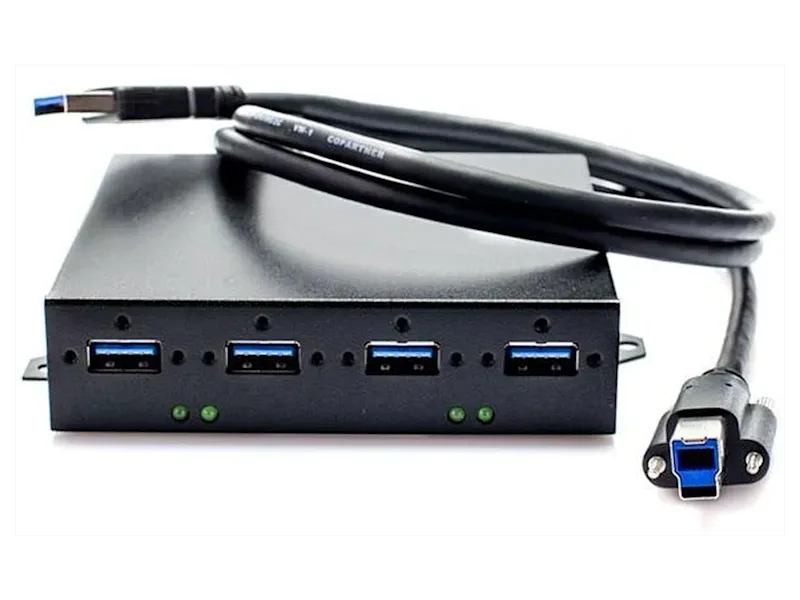
Top 5 Reasons Why Every Tech User Needs a USB Hub
In today's digital world, a USB hub has become an essential accessory for every tech user. Whether you're a student, a professional, or a gamer, the need for additional USB ports is universal. Here are the top 5 reasons why integrating a USB hub into your tech setup can significantly enhance your productivity:
- Increased Connectivity: With a USB hub, you can easily connect multiple devices such as printers, external hard drives, and smartphones, all at once. This eliminates the hassle of constantly plugging and unplugging devices, ensuring you're always connected when you need to be.
- Convenience and Organization: A USB hub simplifies your workspace by consolidating numerous cables into one central location. By keeping your desktop organized, it not only enhances aesthetics but also improves overall workflow.
- Enhanced Charging: Many USB hubs come equipped with built-in charging ports, providing fast and efficient charging for multiple devices simultaneously. This eliminates the need for separate chargers and reduces clutter.
- Portability: USB hubs are compact and lightweight, making them easy to carry. Whether you're working remotely or traveling, having a portable USB hub ensures you stay connected without the limitations of your device’s native ports.
- Affordability: Investing in a USB hub is budget-friendly. With prices starting from as low as $10, you can significantly expand your device connectivity without breaking the bank.
Counter-Strike is a highly acclaimed first-person shooter game that has grown into a staple of competitive gaming. Players engage in team-based combat, typically taking on the roles of terrorists or counter-terrorists, where strategy and teamwork are essential for victory. For those looking to enhance their productivity during gaming sessions or meetings, you might find interest in the Top 10 iPad Accessories for Meetings.
How to Choose the Right USB Hub for Your Devices
Choosing the right USB hub for your devices can significantly enhance your productivity and overall user experience. Start by evaluating your needs: consider the number of devices you intend to connect, their types (USB-A, USB-C, etc.), and the data transfer speeds required. A hub with multiple ports is essential if you have several peripherals such as printers, keyboards, and external drives. Additionally, you may want to look for a powered USB hub if you plan to connect devices that require more power, ensuring stable performance without overloading your computer's USB ports.
When shopping for a USB hub, pay attention to the following key features:
- Port Type: Ensure compatibility with your devices by checking whether the ports are USB-A or USB-C.
- Data Transfer Speed: Check if the hub supports high-speed data transfer standards like USB 3.0 or higher.
- Build Quality: Choose a hub made of durable materials to withstand frequent use.
- Brand Reputation: Look for reputable brands with positive user reviews.
What Can a USB Hub Do for Your Digital Workspace?
A USB hub is an essential tool that can significantly enhance your digital workspace. By providing multiple USB ports, a hub allows you to connect various devices such as keyboards, mice, external hard drives, and even printers simultaneously. This is particularly beneficial for those who work with multiple peripherals or have limited USB ports on their computer. With a USB hub, you can eliminate the hassle of constantly unplugging and replugging devices, streamlining your workflow and increasing productivity.
Moreover, a well-chosen USB hub can improve your workspace's organization and efficiency. Many hubs come with features like built-in charging ports, allowing you to power your devices directly from the hub. Some advanced models offer USB 3.0 or even USB-C connectivity, which not only provides faster data transfer rates but also supports high-definition connections to displays and other devices. By investing in a quality USB hub, you can create a more versatile and capable digital environment that meets all your operational needs.