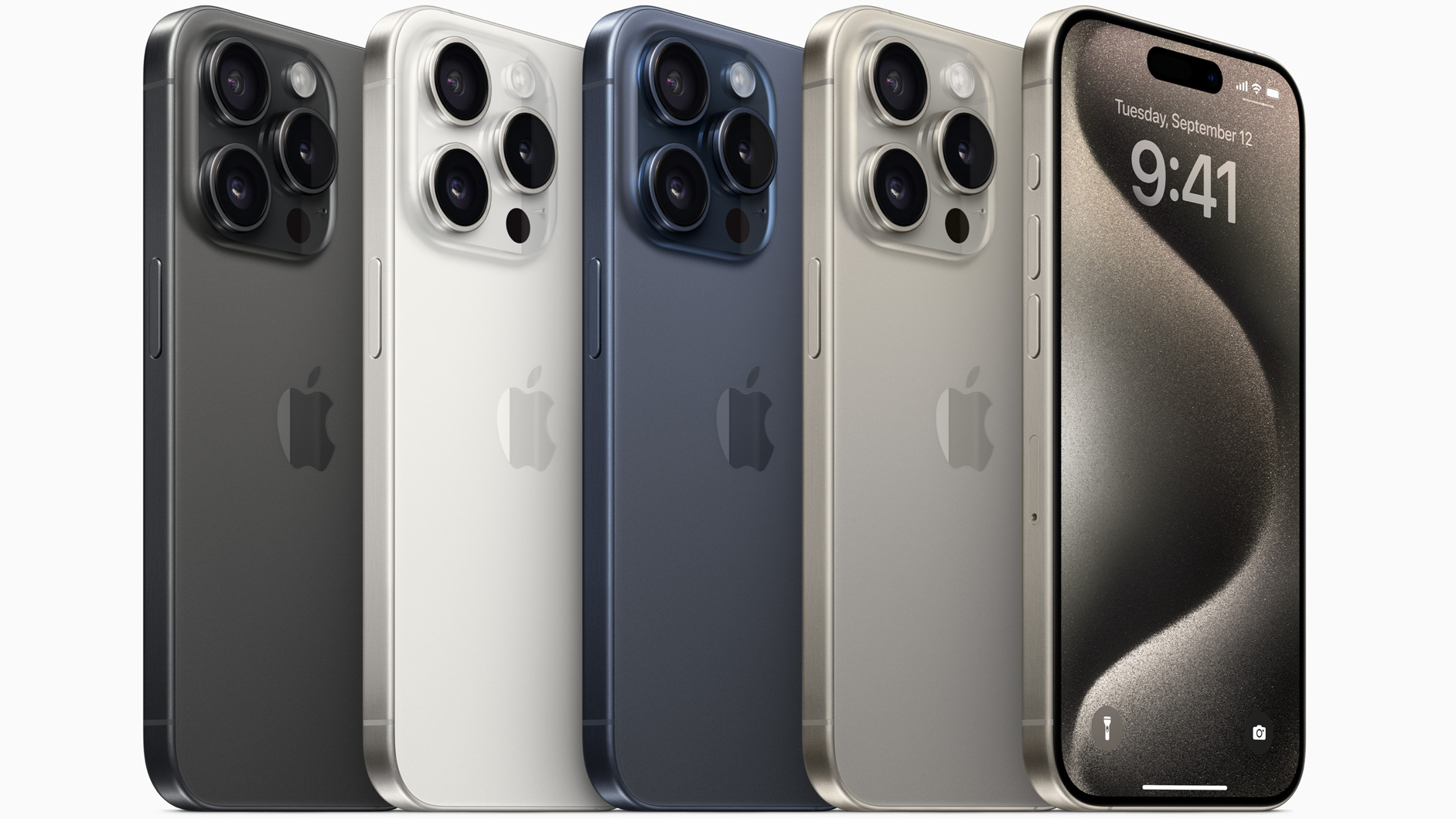
The Evolution of Smartphones: From Brick to Pocket Powerhouse
The evolution of smartphones has been a remarkable journey, transforming the way we communicate, work, and live our daily lives. From the original brick phones of the 1980s, which had limited functionality and size comparable to a small brick, to today's sleek, powerful devices, the advancements in technology have been astounding. Early mobile phones primarily focused on voice calls; however, the advent of smartphone technology introduced features such as texting, cameras, and eventually, internet connectivity. This transformation paved the way for apps that would redefine our interaction with technology and each other.
As smartphones continued to evolve, manufacturers began to prioritize user experience and portability, leading to the development of lightweight, pocket-friendly designs equipped with high-resolution displays and multi-core processors. Today's smartphones are essentially mini-computers, capable of handling tasks once reserved for laptops and desktops. With features like voice assistants, augmented reality, and unparalleled connectivity, these devices have become pocket powerhouses that not only keep us connected but also enhance our productivity and entertainment options.
Counter-Strike is a highly popular tactical first-person shooter game that has captivated gamers since its release. With a focus on team-based strategy and skillful gameplay, it has spawned numerous versions and updates over the years. Players often seek ways to enhance their gaming experience, including finding the Top 10 Android Phone Accessories that can improve their performance and comfort during gaming sessions.
10 Hidden Features of Your Smartphone You Didn't Know Existed
Smartphones have become an integral part of our daily lives, but many users are still unaware of the hidden features that can enhance their experience. One such feature is screen mirroring, which allows you to display your smartphone's screen on a larger device, such as a TV. This feature is perfect for sharing photos with friends or streaming videos during a gathering. To access it, simply look for the Cast option in your phone's settings or quick settings menu.
Another surprising capability is the one-handed mode available on most smartphones. This feature is especially useful for those with larger devices, as it allows users to shrink the screen for easier access. To activate it, navigate to your device's settings and search for one-handed mode. Once enabled, you can easily switch between your regular display and the one-handed mode, making texting or browsing more comfortable than ever.
Is it Time to Upgrade? Signs Your Smartphone is Past its Prime
As technology continues to evolve at a rapid pace, it can be challenging to determine when it's time to upgrade your smartphone. Here are some key signs that indicate your device may be past its prime:
- Performance Issues: If your smartphone frequently freezes, lags, or struggles to run basic apps, it may be time to consider an upgrade.
- Battery Life Deterioration: An average smartphone battery lasts about two years. If you're finding yourself constantly charging your phone throughout the day, it might be a sign that your device needs an upgrade.
Another important factor to consider is software updates. Manufacturers typically provide updates for only a few years, and once your device no longer receives updates, it becomes vulnerable to security risks and compatibility issues. Additionally, check if your favorite apps still support your current smartphone. If they no longer do, it’s a clear indicator that:
- Your device is falling behind in terms of technological advancement.
- Upgrading can enhance your overall user experience.